

Charlotte is making significant strides toward environmental sustainability through a combination of municipal policies, community initiatives, and corporate partnerships. These efforts aim to reduce greenhouse gas emissions, promote renewable energy, and enhance the city’s resilience to climate change.
Strategic Energy Action Plan Plus (SEAP+)
In May 2025, the Charlotte City Council adopted the Strategic Energy Action Plan Plus (SEAP+), an updated roadmap for achieving the city’s climate and energy goals. SEAP+ builds upon the 2018 plan, setting ambitious targets to reduce greenhouse gas emissions and transition to clean energy sources. Notably, the plan includes a climate risk assessment to better link energy transitions with climate challenges. The community-wide goals include reducing greenhouse gas emissions by 72% by 2035 and achieving net-zero emissions by 2050. Municipal goals focus on sourcing 100% of electricity for city buildings from zero-carbon sources by 2030 and reaching net-zero emissions in the municipal fleet by 2050. [Source: City of Charlotte]
Envision Charlotte and the Innovation Barn
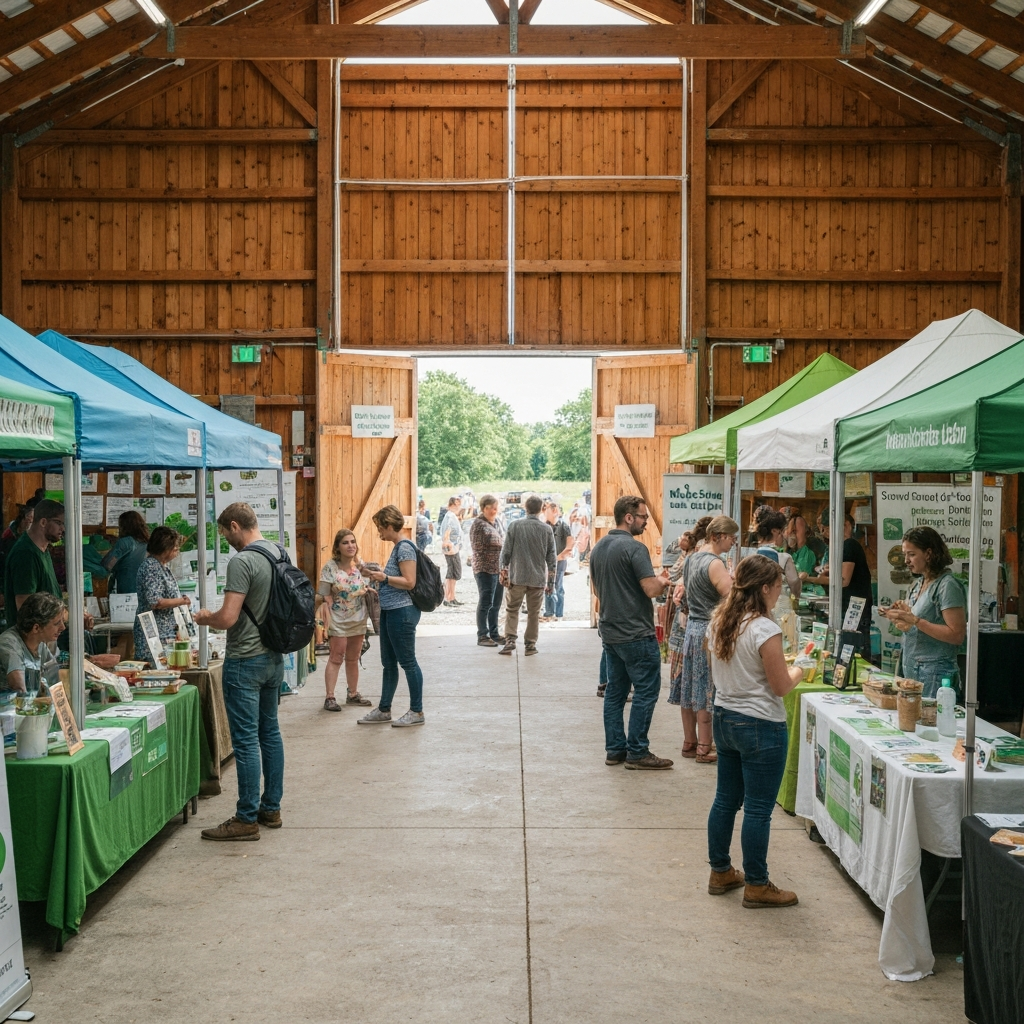
Envision Charlotte, a nonprofit organization, is at the forefront of promoting sustainability and circular economy practices in the city. One of its flagship projects is the Innovation Barn, a 36,000-square-foot facility in the Belmont neighborhood. The Innovation Barn serves as a hub for eco-friendly activities, including composting services, bike repairs, sustainable fashion initiatives, and urban farming. Visitors can participate in various programs that emphasize waste reduction, resource conservation, and environmental education. [Source: Envision Charlotte]
Greenway Expansion
To meet the growing demand for outdoor recreational spaces, Charlotte has been expanding its network of greenways. In 2025, approximately nine miles of new greenways opened across the area, including sections like the Caldwell Station Tributary Greenway and the Long Creek Greenway Phase 3. These additions are part of a broader initiative by Mecklenburg County and the City of Charlotte to enhance the trail network, providing residents with more opportunities for outdoor activities and promoting environmental stewardship. [Source: Axios Charlotte]
The River District’s Sustainability Recognition
The River District, a 1,400-acre development along the Catawba River, has earned the “One Planet Living Leader” designation, recognizing its commitment to sustainable urban planning. The project plans to preserve over 500 acres of natural land, incorporating parks, trails, and a 2-acre farm. This designation highlights the River District’s efforts to integrate nature into urban life and promote environmental sustainability. [Source: Axios Charlotte]
Corporate Sustainability Efforts
Local businesses are also contributing to Charlotte’s sustainability goals. Coca-Cola Consolidated, the largest Coca-Cola bottler in the U.S., has launched the “Refresh. Recycle. Renew.” initiative to promote recycling and reduce environmental impact. The company collaborates with venues like Bank of America Stadium to enhance recycling efforts and has implemented measures such as transitioning to clear Sprite bottles to improve recyclability. Additionally, Coca-Cola Consolidated engages in community activities like tree planting to support local environmental health. [Source: Axios Charlotte]
These collective efforts by the city government, nonprofit organizations, and local businesses demonstrate Charlotte’s commitment to building a sustainable and resilient community for current and future generations.