

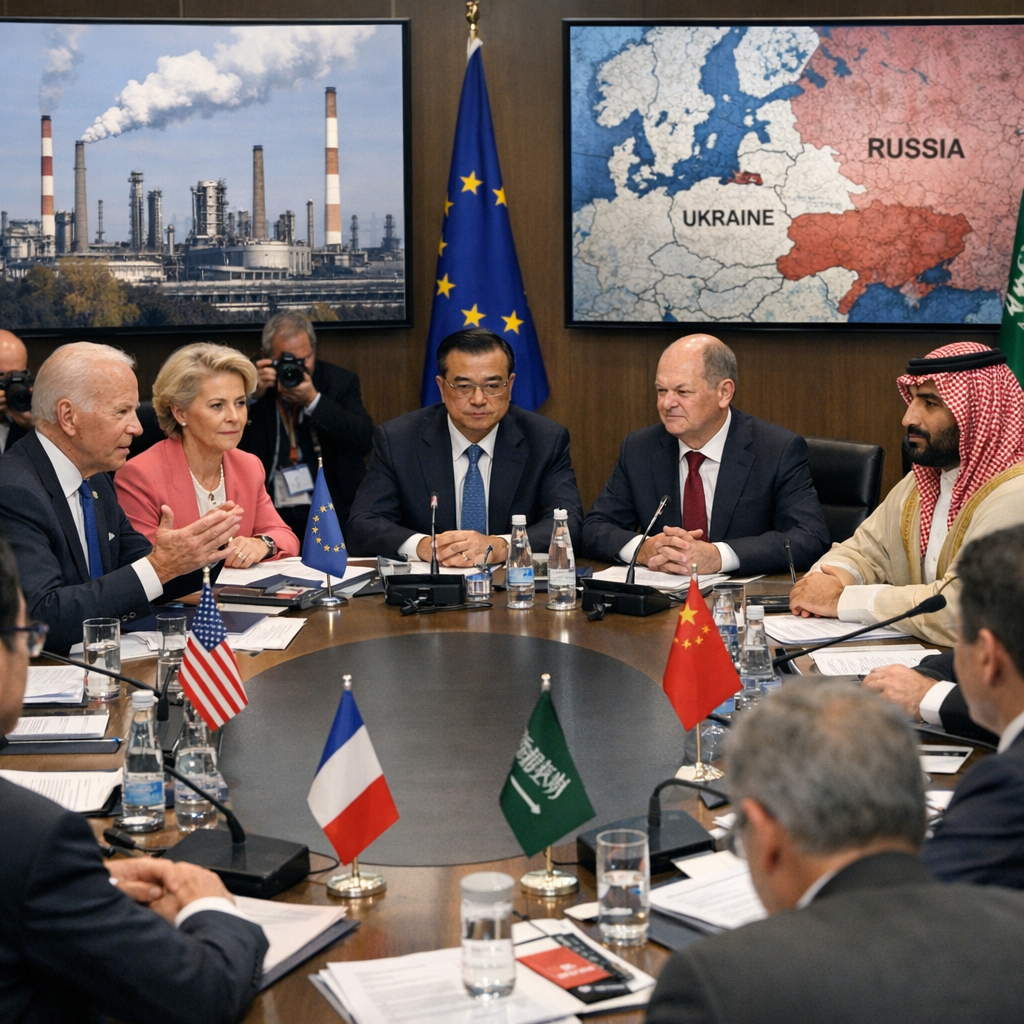
The global economy is currently navigating a complex landscape marked by energy shocks and geopolitical tensions. Recent conflicts in the Middle East have led to significant disruptions in energy supplies, resulting in increased inflationary pressures worldwide. The Organization for Economic Cooperation and Development (OECD) projects global growth to slow to 2.8% in 2026, with inflation in G20 countries expected to rise to 4.0% in the same year. These developments underscore the need for coordinated international efforts to stabilize energy markets and address the underlying geopolitical issues.
In the United States, the economy has shown resilience, with growth projected at 2.0% in 2026. This is largely driven by robust consumer spending and increased investments in artificial intelligence technologies. However, the nation is not immune to global challenges. Rising energy prices and potential disruptions in international trade could pose risks to this positive trajectory. Policymakers are urged to implement targeted fiscal measures to support vulnerable sectors and ensure sustainable growth.
Europe faces a more subdued economic outlook, with growth projected at 0.8% in 2026. The region is grappling with the dual challenges of energy supply disruptions and internal fiscal strains. High debt levels in several European countries limit the scope for expansive fiscal policies, making it imperative to focus on structural reforms and energy diversification strategies to bolster economic resilience.
China’s economy is also experiencing a slowdown, with growth projected at 4.5% in 2026. The nation is contending with a property sector downturn and the broader impacts of global trade tensions. To navigate these challenges, China is focusing on domestic consumption and technological innovation as key drivers of future growth.
Developing economies are particularly vulnerable in the current global economic climate. Approximately one in four developing countries is projected to have lower per capita incomes in 2026 compared to 2019. These nations face the compounded effects of high energy prices, limited fiscal space, and climate-related challenges. International support and cooperation are crucial to assist these economies in achieving sustainable development goals.
In summary, while the global economy demonstrates resilience, it is imperative for nations to collaborate in addressing the multifaceted challenges posed by energy shocks and geopolitical tensions. Coordinated policy actions, structural reforms, and investments in sustainable technologies will be key to navigating this period of uncertainty and fostering long-term economic stability.